Category 10 · insulation systems
We buy EPR, XLPE and concentric-neutral cable
The insulation and shielding systems behind medium-voltage cable: EPR, XLPE, concentric neutral, tree wire and primary underground distribution.
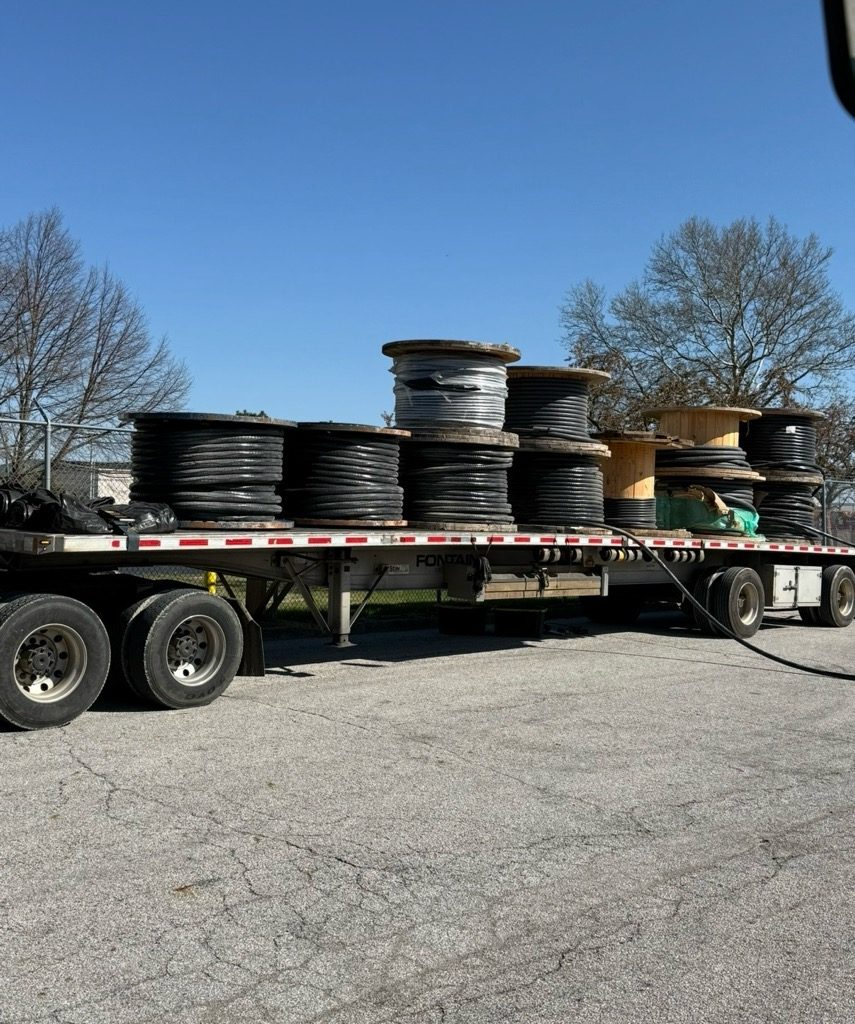
Two chemistries, different behaviour
XLPE (cross-linked polyethylene) is the dominant medium-voltage insulation in North America. It has high dielectric strength, low dielectric losses and a high continuous operating temperature. Most 15kV, 25kV and 35kV utility and industrial cable is XLPE insulated, usually with a semi-conducting conductor shield and insulation shield.
EPR (ethylene propylene rubber) is more flexible and more tolerant of thermal cycling, which is why it is common in industrial, mining and utility applications where cable is bent repeatedly or subjected to load changes. EPR cable is often specified for retrofits where flexibility in tight switchgear is important.
Both are bought, and the insulation type is normally printed on the jacket along with the voltage class.
Concentric neutral and tree wire
Concentric neutral cable has a layer of copper wires wrapped helically around the insulation shield, providing the neutral return path for a distribution circuit. It is standard utility primary underground cable and is quoted on conductor size, neutral size and voltage class.
Tree wire is covered overhead conductor used where tree contact is a risk: an insulated or covered conductor with a weather-resistant covering, often in 15kV and 25kV classes.
Other constructions in this family include shielded feeder cable for industrial substations, cable with a copper tape shield, and jacketed primary cable for direct burial. Each is identified by the print and the reel tag.
What to send for these reels
Give us the voltage class, conductor size and material, insulation type, neutral or shield arrangement, jacket type and footage. For utility stock, the manufacturer's tag usually carries all of it in a standard format.
Photograph the tag, the reel face and the cable end. The end shows the insulation thickness, the shields and whether the conductor is compact or stranded.
Mention how the reel has been stored. Utility yards are outdoor environments, and a reel that has stood upright in standing water for two years is assessed differently from one on a rack under cover.
Send EPR or XLPE details
Voltage class, insulation, conductor and neutral sizes, footage and storage history.
EPR and XLPE questions
Which is worth more, EPR or XLPE?
Value depends more on conductor size, voltage class, footage and condition than on insulation chemistry. Both are quoted on their own merits.
Do you buy concentric neutral cable with a damaged neutral?
It is assessed case by case. Broken or corroded neutral wires reduce usability, so send close photos of the damage.
Do you buy tree wire?
Yes, in covered overhead constructions, usually 15kV and 25kV classes.
Can you identify cable from the print alone?
Usually. The print repeats voltage class, conductor size, insulation and jacket type; a photo along the legend is enough.
Utility reel with a faded tag?
Photograph the print and the cable end. We can usually reconstruct the specification.
Keep reading
- Copper and aluminum building wireWire category
- THHN, THWN, THWN-2 and XHHW wireWire category
- MC, AC, tray cable and VFD cableWire category
- SER, SEU, URD and USE-2 cableWire category
- Bare copper, insulated copper and grounding wireWire category
- Welding cable and SOOW portable cordWire category
- Control, instrumentation and communication cableWire category
- Fire alarm and low-voltage cableWire category
- Medium and high-voltage cable (5kV to 69kV+)Wire category
- Wire sizes we buyReference
- Who we buy fromSeller guide
- BirminghamJefferson County
- HuntsvilleMadison County
- MobileMobile County